Patients with endemic or emerging infections who develop life-threatening organ dysfunction may need disease-specific diagnosis and treatment alongside standard sepsis care, according to a new Personal View in The Lancet Infectious Diseases.
The authors propose using the term “sepsis from an endemic and emerging infectious disease,” or SEEID, for severe cases of diseases such as malaria, leptospirosis, tuberculosis and gastrointestinal infections. They wrote that this approach would recognize life-threatening organ dysfunction while preserving important differences in how each disease progresses and is treated.
The issue is especially important in low- and middle-income countries, where an estimated 85% of sepsis cases and deaths occur. While bacterial and fungal infections cause most sepsis in high-income countries, sepsis in lower-resource settings can result from a wider range of infections, including tuberculosis, malaria, leptospirosis, leishmaniasis and viral diseases.
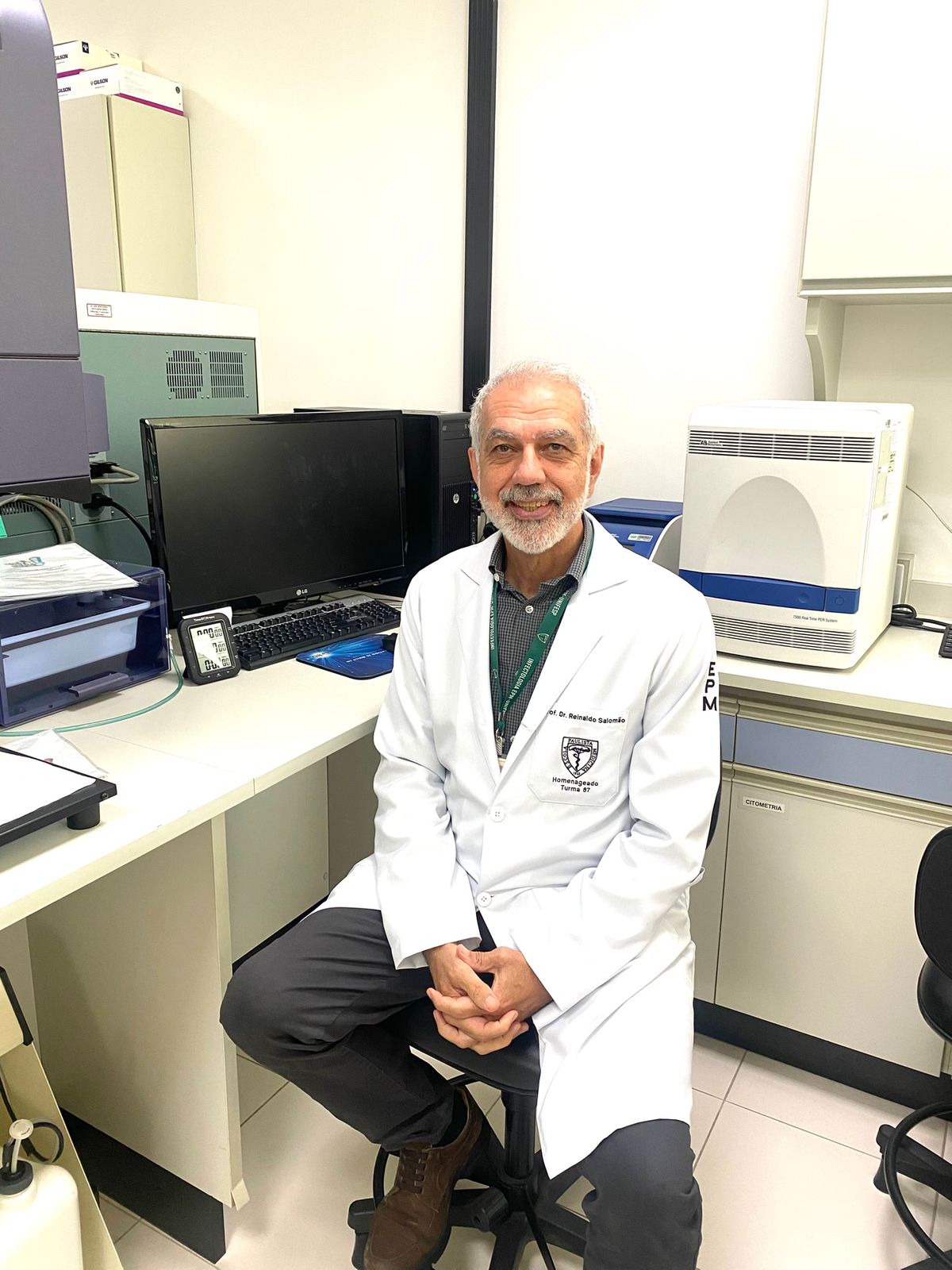
“Efforts to improve sepsis outcomes have traditionally focused on early recognition and treatment, largely within the hospital setting — ICUs, emergency departments, and hospital wards — with increasing attention more recently to post-sepsis care,” first author Reinaldo Salomão, MD, PhD, of the Federal University of São Paulo in Brazil, told IDSA Reporter. “SEEID extends this perspective upstream, drawing attention to determinants that precede hospitalization, including pathogen diversity, local epidemiology, socioeconomic conditions, and inequities in access to health care, all of which can strongly influence the risk of developing sepsis, its outcomes and survivorship.”
Dr. Salomão and colleagues reviewed how sepsis definitions have evolved and what is known about the course, biology and treatment of endemic and emerging infections. The article is a Personal View rather than a systematic review or clinical trial and explores where these infections overlap with sepsis and where important differences may affect treatment.
Current sepsis care focuses on quickly recognizing and treating the infection, supporting failing organs and identifying patient characteristics that may help guide treatment. Endemic and emerging infections can follow a different course. Patients may be sick for longer before reaching a hospital, and identifying the specific infection can be especially important because diagnosis and treatment vary by disease.
The authors also cautioned that biological findings from typical sepsis populations may not apply to patients with severe endemic infections. Although researchers have identified sepsis subgroups based on clinical and biological features, no treatment targeting a specific sepsis mechanism has entered routine use. Trials of therapies aimed at individual biological targets have repeatedly failed, highlighting how much sepsis varies among patients.
The proposed SEEID framework emphasizes early recognition of organ dysfunction while ensuring that a sepsis diagnosis does not replace evaluation and treatment for the specific infection. The authors called for guidance tailored to individual infections and more randomized trials of treatments for severe endemic and emerging diseases, noting that such trials remain limited.
The key question, the authors wrote, is whether grouping these patients under sepsis improves care or “overlooks disease-specific pathways” that could help guide more targeted treatment.
The work was supported by the São Paulo Research Foundation, Brazil’s National Council for Scientific and Technological Development and the National Institutes of Science and Technology program. One author received a São Paulo Research Foundation scholarship. Tom van der Poll, PhD, reported institutional grants, consulting and an unpaid data safety monitoring role. Mervyn Singer, MD, reported research funding and other professional relationships.
Author insights
Dr. Salomão discussed the clinical implications in more detail.
How should physicians distinguish severe gastroenteric infection from sepsis caused by that infection, and would that distinction change treatment?
Dr. Salomão: The transition to sepsis is defined by the development of life-threatening organ dysfunction resulting from a dysregulated host response to infection. This distinction has important therapeutic implications because the development of sepsis — and particularly septic shock — may require more intensive monitoring and organ support, including carefully guided fluid resuscitation, vasopressors, respiratory support or renal replacement therapy, as clinically indicated.
In high-income countries, a patient presenting with severe gastroenteritis will commonly have a viral infection or one of a relatively restricted group of foodborne bacterial infections. In low- and middle-income settings, clinicians may additionally need to consider shigellosis, cholera, enterotoxigenic Escherichia coli infection, enteric fever and other endemic enteric infections, depending strongly on geography, age, season, sanitation and outbreak context. This broader differential diagnosis can affect both diagnostic strategies and pathogen-specific therapy, particularly when gastroenteric infection progresses to severe dehydration, organ dysfunction or sepsis.
Which parts of standard sepsis management may be inappropriate or need modification for patients with severe gastroenteric or other endemic infections?
Dr. Salomão: Clinicians managing patients with SEEIDs in hospital wards and ICUs must also consider important disease-specific differences in pathophysiology, diagnosis and treatment.
Conventional blood cultures do not diagnose malaria or dengue and have limited diagnostic value for tuberculosis and leptospirosis; they may nevertheless be appropriate when bacterial coinfection is suspected. Instead, malaria requires parasite-based diagnosis by microscopy or rapid diagnostic testing. Dengue diagnosis relies on nucleic acid amplification or NS1 antigen detection during the acute phase, with serological testing becoming more useful later in the course of infection. Leptospirosis should be suspected on clinical and epidemiological grounds and confirmed, when possible, using molecular or serological methods; culture is slow, insensitive and requires specialized media. For tuberculosis, the World Health Organization recommends rapid molecular diagnostic tests as initial tests, with diagnostic algorithms adapted to the clinical site of disease and patient population, including use of the lateral flow urine lipoarabinomannan (LF-LAM) assay in selected people with HIV.
Malaria, leptospirosis and tuberculosis require specific antimicrobial therapy, whereas dengue has no specific antiviral treatment and is managed primarily with supportive care. Importantly, conventional broad-spectrum antibacterial therapy used for bacterial sepsis does not substitute for pathogen-specific treatment and may be unnecessary in SEEIDs unless bacterial coinfection is suspected.
What evidence is needed before the proposed SEEID framework can guide routine clinical care, and what should physicians do in the meantime?
Dr. Salomão: A practical first step would be to revisit existing sepsis burden estimates and retrospectively analyze clinical datasets through the SEEID framework, identifying which infections and populations are most affected and where gaps in recognition and care occur. This should be followed by prospective, multicenter studies, particularly in endemic and resource-limited settings, to determine whether the framework can be applied consistently and improve early recognition and treatment. We also need implementation studies and randomized clinical trials to address unresolved disease-specific therapeutic questions.
In the meantime, awareness and education can begin. Physicians should consider endemic and emerging infectious diseases among the possible etiologies of sepsis and, conversely, actively look for organ dysfunction in patients with these infections. Local epidemiology and exposure history should inform diagnosis, while disease-specific guidance should direct treatment alongside appropriate organ support. Importantly, bacterial infection may coexist with or complicate a severe endemic disease, as illustrated by visceral leishmaniasis.